From Employee to Owner: How to Start Your Own Trade Business
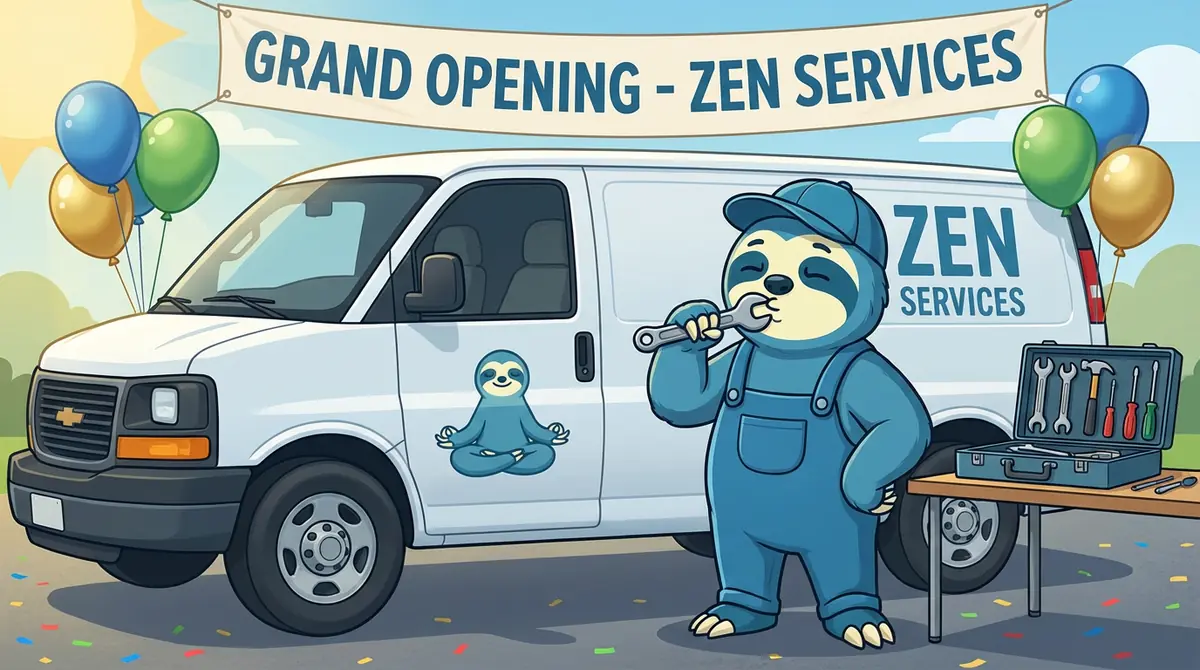
Every tradesperson has had the moment.
You're crawling out from under a house, or finishing a panel, or sweating a pipe in some cramped crawlspace, and the thought hits you: "I could do this myself. I could open my own business."
It's the trades version of "I open my own hotel" - that beautiful, slightly delusional dream of being your own boss, setting your own hours, and keeping all the money instead of watching it flow to someone else's pocket.
Here's the thing though: it's not delusional. Thousands of tradespeople make this jump every year. Some crash and burn. Others build something that changes their life. The difference usually isn't skill - you've already got that. The difference is preparation.
Let's talk about what it actually takes.
The Financial Reality Check
Before you storm into your boss's office with a dramatic resignation speech you've been rehearsing in the shower, let's talk numbers.
The Runway
You need 3-6 months of personal expenses saved. Not business expenses - personal. Rent, groceries, car payment, the stuff that keeps your life running while your business figures out how to walk. If your monthly nut is $4,000, you need $12,000-$24,000 in the bank before you even think about startup costs.
"But I'll have jobs right away!" Maybe. Probably not as many as you think. And they won't pay as fast as a paycheck does. Net-30 invoices hit different when your fridge is empty.
Startup Costs
Here's a rough breakdown of what you're looking at:
- Truck/Van: $15,000-$40,000 (or lease)
- Tools & Equipment: $2,000-$10,000 (assuming you already own basics)
- Insurance: $2,000-$5,000/year
- Licenses & Permits: $500-$2,000
- Basic Marketing: $500-$2,000 (website, cards, Google Business setup)
- Operating Buffer: $3,000-$5,000
Total: Anywhere from $10,000 on the lean end to $50,000+ if you're buying a truck and going all-in.
The Side Hustle Debate
There are two schools of thought here:
Option A: Moonlight first. Keep your day job, take side work evenings and weekends, build a client base and savings, then make the leap when you've got momentum. Lower risk. Higher exhaustion. Your dog won't recognize you when you walk in after 16 hours.
Option B: Burn the boats. Quit, commit fully, let the pressure of "I have to make this work" fuel your hustle. Higher risk. Forces urgency. At least your dog will remember your face.
There's no wrong answer. Option A is smarter for most people. Option B works for people who know they'll never actually jump unless they're pushed.
The Legal Stuff (The Boring But Important Part)
I'm not a lawyer, and this isn't legal advice. But here's the general landscape.
Business Structure
In the US, your main options are:
- Sole Proprietorship: Easiest to start. You and the business are legally the same. If someone sues the business, they're suing you.
- LLC: A bit more paperwork, costs $50-$500 depending on state. Provides liability protection. Looks more professional.
In Canada:
- Sole Proprietorship: Same deal - simple, but no liability protection.
- Incorporation: More paperwork and cost ($1,000-$2,000 to set up), but protects personal assets and has tax advantages at higher income levels.
Most people start as sole proprietors and incorporate once they're making real money. That's fine.
Insurance
This is not optional. You need:
- General Liability: Covers you if you damage a client's property or someone gets hurt.
- Commercial Auto: Your personal car insurance doesn't cover you when you're working.
- Workers' Compensation: Required in many regions even if you're solo. Check your local requirements.
Licenses
This varies wildly by trade and location. Some trades need journeyman certification. Some regions require contractor licenses. Some require both plus a blood sacrifice and a letter from your mother.
Do your homework. Call your local licensing board. Don't skip this - getting caught working without proper licensing can end your business before it starts.
Landing Your First Clients (The Hard Part)
Your first 10 clients are the hardest. After that, word of mouth starts doing heavy lifting. Here's how to get to 10.
Start Before You Leave
While you're still employed, start telling everyone you know that you're going out on your own. Friends, family, neighbors, the guy at the gym, your kid's teacher - everyone. "Hey, I'm starting my own [trade] business. If you know anyone who needs work done, send them my way."
You'll be amazed how many people have been waiting for "someone they trust" to ask.
Set Up Google Business Profile Immediately
This is free and it's how people find local services. Set it up before your first day. Get your first few clients to leave reviews. This single action will generate more leads than anything else you do in year one.
Your Former Employer's Clients
Touchy subject. Generally speaking: don't actively poach clients from your old employer. It's legally risky (depending on your contract), ethically questionable, and burns bridges.
That said, if a client finds you on their own after you've left? That's different. You didn't solicit them. They chose you. Just don't be the guy who walks out with a stolen client list and a printer under his arm. Bad karma. Also, literally theft.
Every Job Is Marketing
In year one, your job isn't just to fix the thing. Your job is to be so good that the client tells three friends. Leave the site cleaner than you found it. Follow up after the job. Be the contractor they wish they'd found years ago.
The Mindset Shift
Here's what nobody tells you: the hardest part isn't the work. You know how to do the work. The hardest part is becoming a business owner.
When you were an employee, you showed up, did the job, went home. Someone else worried about where the next job came from. Someone else dealt with the books, the taxes, the angry customer on the phone.
Now that's you. All of it.
You're Not Just a Technician Anymore
You're now also:
- Sales (getting the job)
- Marketing (getting the phone to ring)
- Accounting (tracking money in and out)
- Customer service (handling complaints)
- HR (eventually hiring, firing, managing people)
- IT (why is the printer not working, it's always the printer)
This is a shock for most people. You went out on your own because you're great at your trade, and now you spend half your time doing things that aren't your trade.
"I didn't start a plumbing business. I started a small business that happens to do plumbing."
The sooner you accept this, the better.
The Loneliness
Nobody talks about this, but being a solo business owner can be lonely as hell. No coworkers to complain to. No one who gets what you're going through. Just you and the truck and the voice in your head asking if you made a huge mistake.
Find your people. Join trade groups on Facebook. Go to local contractor meetups. Find other business owners you can text when you're having a rough day. This matters more than you think.
When to Make the Jump
Signs You're Ready:
- You have 3-6 months of expenses saved
- You have a realistic plan (not just "I'll figure it out")
- You've done at least some side work and know people want to hire you
- You understand that year one will be hard and you're okay with that
- Your household is on board (this affects them too)
Signs You're Not (And That's Okay):
- You're running from a bad job rather than toward something you want
- You have no savings and are hoping it "works out"
- You've never worked directly with clients before
- You're not willing to do the non-trade parts of running a business
There's no shame in not being ready. Better to wait six months and do it right than to jump too early and crawl back to a job with your tail between your legs.
The Moment of Truth
Look, starting a business is scary. Anyone who tells you otherwise is lying or selling something.
But here's what I know: you're already good at what you do. You've made money for other people. You've watched less skilled people succeed because they had the guts to try.
You don't need permission. You don't need to be "ready" in some perfect way that never actually comes. You need a plan, some savings, and the willingness to figure it out as you go.
Thousands of people have done this before you. The trades are one of the best paths to business ownership because you have a real skill that people need and will pay for. That's more than most entrepreneurs can say.
So yeah. Maybe you do open your own hotel. Or plumbing company. Or electrical business. Or whatever your version of the dream looks like.
When you're ready to run it like a real business - scheduling, invoicing, keeping track of clients without losing your mind - we'll be here.
See how WorkZen helps trade businesses grow →
WorkZen is field service management software built for trade businesses that are done with the chaos. Start free, grow when you're ready.
Frequently Asked Questions
Ready to transform your field service business?
Start using WorkZen today - it's free to get started!