18 HVAC Marketing Ideas for Every Season
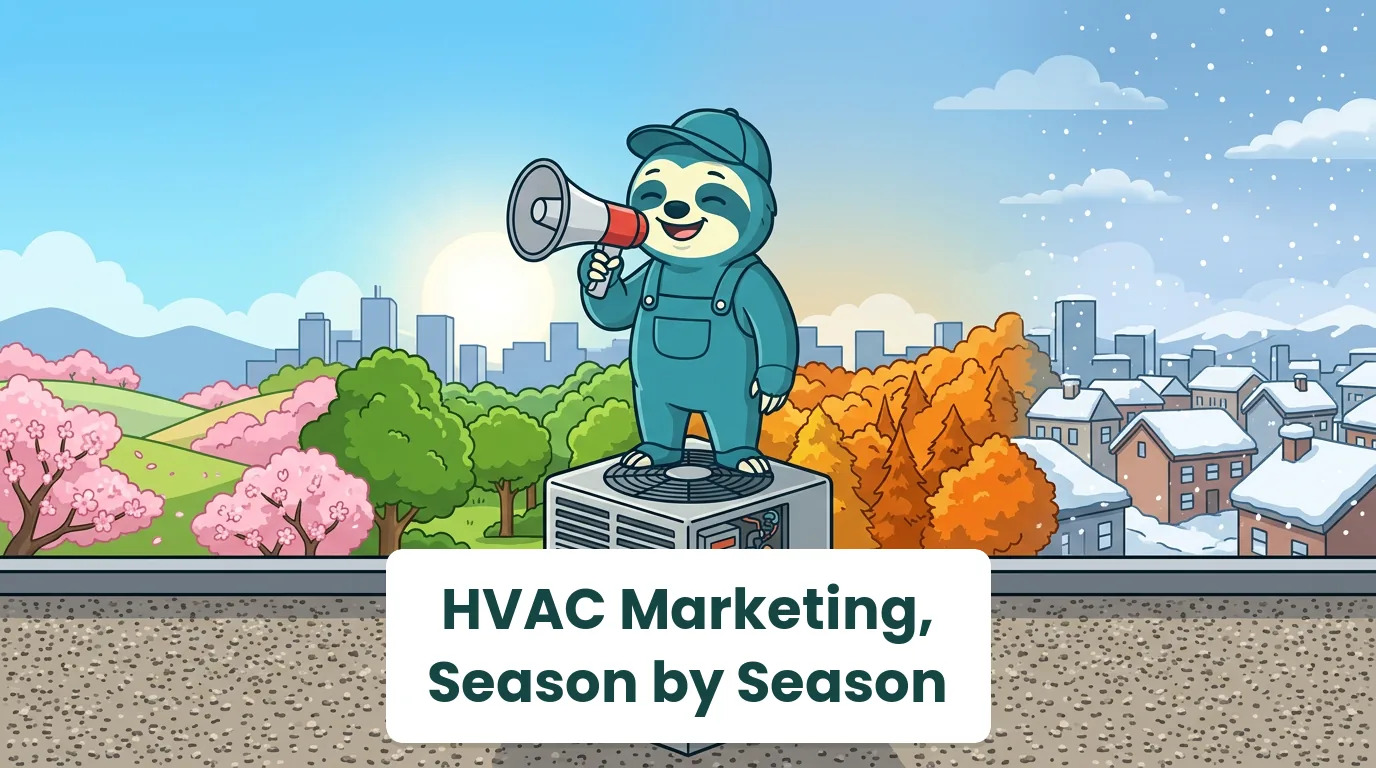
Most HVAC marketing advice is the same list in a different order: SEO, Google Ads, reviews, a truck wrap, done. It is not wrong. It just ignores the one thing that makes HVAC different from almost every other trade: your demand follows the weather. A heat wave fills the phones in a day, the first cold night does the same in November, and then there are the shoulder months when the schedule looks like a crossword with no answers.
So this list is organized the way your year actually runs. Eighteen ideas, grouped by season, each with a rough cost and effort rating, plus how to pick your first three and how to tell whether any of it is working. Every idea is built around one engine, the maintenance agreement, because that is the marketing that keeps paying after the campaign ends.
The Best HVAC Marketing Ideas, in Short
The best HVAC marketing ideas are a maintenance agreement program that books spring and fall visits ahead of time, a review request after every job, answering every call in peak season, and short seasonal emails or texts to past clients. Those four fill the calendar before the weather does. The 18 ideas below add the rest, season by season.
A quick note on why the backbone is maintenance agreements. ENERGY STAR recommends checking the cooling system in the spring and the heating system in the fall (as of September 2026). That is a two-visit plan homeowners already half expect, it lands exactly in your slow months, and it gives you a reason to talk to every member at least twice a year without sounding like an ad.
How to Pick Your First 3 (by Company Size)
Eighteen ideas at once is how marketing plans die in a drawer. Pick three, run them for a full season, then add more.
| Company size | Start with | Why |
|---|---|---|
| Solo or 1 truck | #1 tune-up campaign, #5 answer every call, #8 review after every job | Almost free, and it works the list you already have |
| 2 to 5 trucks | #2 maintenance agreement push, #6 Local Services Ads in peak weeks, #12 door hangers | Fills the shoulder seasons and adds new clients on the busy days |
| 6+ trucks | #11 renewal drive, #17 seasonal email and text calendar, #18 wraps and fleet visibility | At this size, retention and repeat visibility beat one-off campaigns |
Spring: Book the Cooling Season Before It Starts
Spring is quiet for most shops, which is exactly why it matters. Every AC tune-up you book in April is a July emergency you might prevent and a relationship you already own when the heat arrives.
1. The AC tune-up campaign to past clients. Pull every client you serviced in the last two years and send a short email or text in March or April: book your spring AC check now, before the first hot week. Past clients convert far better than strangers because they already trust you. Cost: low. Effort: low.
2. The pre-season maintenance agreement push. Offer the spring visit as the first visit of a two-visit plan, and make the member perks concrete: priority booking in a heat wave, a discount on repairs, no overtime rate. The agreement turns a one-time tune-up into two guaranteed visits a year. Cost: low. Effort: medium.
3. Refresh your "AC repair" page and Google Business Profile. Update your cooling service page, add fresh photos to your profile, and post a spring tune-up offer. Keep it short, this is maintenance, not a project. For the deeper version, see our guides to SEO for contractors and turning your Google Business Profile into a lead machine. Cost: free. Effort: low.
4. The "aging system" outreach. Your client history already tells you who has a system that is 12, 15 or 18 years old. Before the season, send those clients a friendly note offering a free replacement estimate alongside their tune-up. One practical warning: the US federal 25C energy efficient home improvement credit only applied to equipment placed in service before December 31, 2025, according to the IRS (checked September 2026), so do not lead with a federal tax credit pitch. Check your local utility and provincial or state rebates instead. Cost: low. Effort: medium.
Summer: Win the Heat-Wave Calls
In a heat wave, marketing is not about being found. Everybody is already looking. It is about being the shop that answers, shows up, and gets remembered.
5. Answer every call, including after hours. A missed call in July is a job for your competitor, and the homeowner does not leave a voicemail, they call the next number. Whether it is a dedicated summer CSR, an answering service, or an AI receptionist that books the visit, make sure no heat-wave call goes unanswered. Cost: medium. Effort: low once set up.
6. Turn up paid search in the peak weeks, not all year. Local Services Ads bill per lead and sit above the regular results, which makes them a good fit for the weeks when demand spikes. Raise the budget when a heat wave is forecast and lower it when the phones are full. We covered how LSA works in 2026 in our Google Local Services Ads guide, and the regular Google Ads math in the truth about Google Ads for contractors. Cost: high. Effort: medium.
7. Say "same day" and "members first" out loud. When you have capacity, say so on your website banner, your profile and your voicemail greeting: same-day AC repair available today. When you do not, say members get priority. Both messages sell, the second one sells the maintenance agreement for next year. Cost: free. Effort: low.
8. A review request after every hot-day save. The client whose AC you fixed at 6 pm on a 35°C day is the happiest client you will ever have. Ask for the review before you leave the driveway. It matters: in BrightLocal's 2026 Local Consumer Review Survey, 97% of consumers read reviews for local businesses, 74% look for reviews written in the last three months, and 47% will not use a business with fewer than 20 reviews. Review requests in WorkZen give your tech a QR code or link to show on site so the ask takes ten seconds. Cost: free. Effort: low.
Fall: Furnace Checks and Maintenance Agreements
Fall is the second tune-up season and the best time of year to sell agreements, because the homeowner is about to depend on the furnace for five months.
9. The furnace safety check offer. Frame the fall visit around safety, not savings: burner, heat exchanger, venting and carbon monoxide check before the first cold night. It is honest, it is urgent without being pushy, and it gets you in the basement in October instead of on an emergency call in January. Cost: low. Effort: low.
10. Carbon monoxide awareness content. A short post, email or video on CO safety is genuinely useful, and it earns attention. The CDC reports that every year more than 400 Americans die from unintentional carbon monoxide poisoning not linked to fires, more than 100,000 visit an emergency department and more than 14,000 are hospitalized (as of September 2026). Offer a detector check as part of the furnace visit. Cost: free. Effort: low.
11. The membership renewal drive. If your agreements renew once a year, renew them in the fall visit, face to face, with the tech showing what the plan caught this year. Renewing in person beats a renewal email every time. For the upsell side of fall visits, see our fall maintenance upsell playbook. Cost: free. Effort: medium.
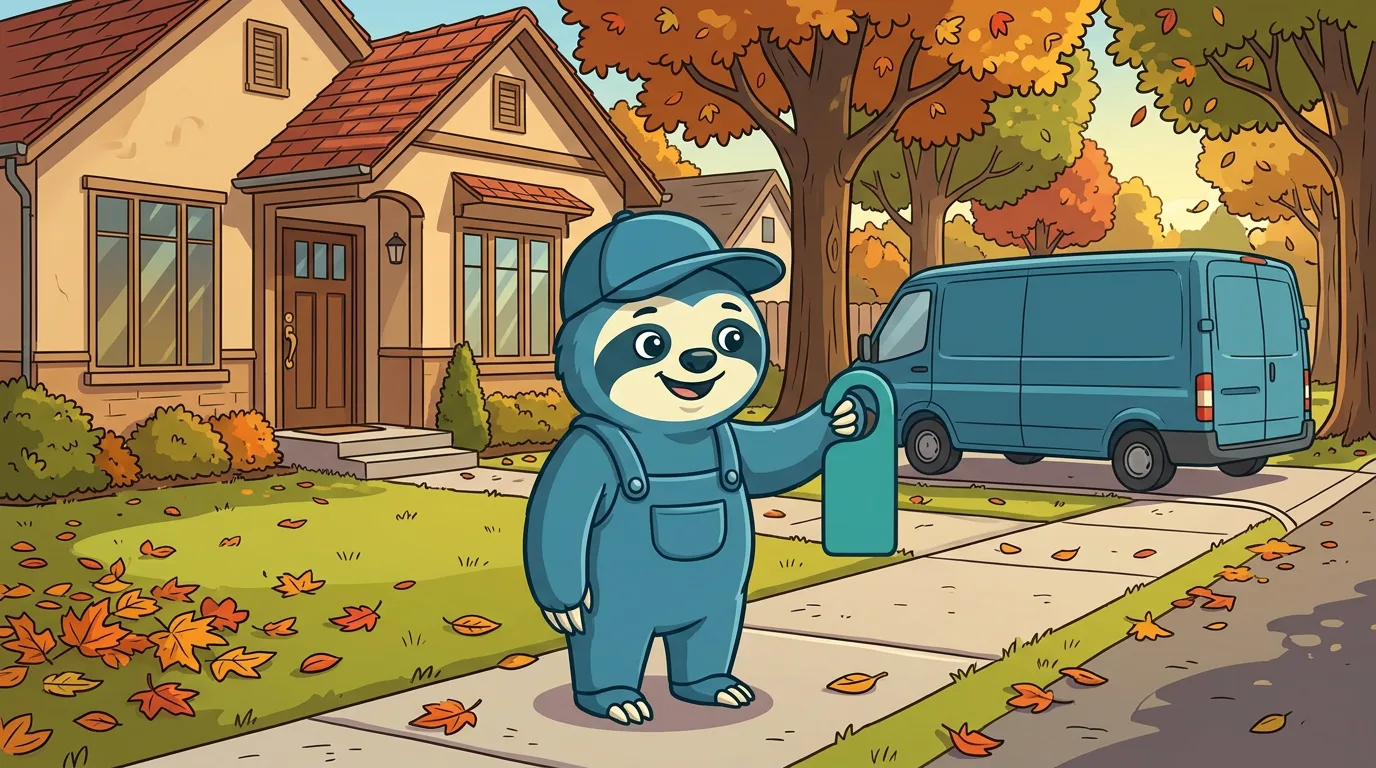
12. Door hangers on the neighbours' doors. When you finish a furnace check, leave a hanger on the four or five houses around it: we were just servicing a furnace on your street, book yours this week. Same neighbourhood, same age of homes, often the same equipment. Cost: low. Effort: low.
Winter: No-Heat Response and the Slow Months
Winter has two personalities: panic on the coldest nights, silence the rest of the time. Market to both.
13. No-heat priority for members, and tell everyone about it. When a cold snap hits, members jump the queue. Say so publicly. Every non-member who waits two days for a no-heat call learns exactly why they should join, and you did not have to sell anything. Cost: free. Effort: low.
14. Indoor air quality and humidifier offers. Dry winter air, dusty ducts, a family indoors all day: winter is when homeowners notice air quality. A humidifier, filter upgrade or duct cleaning offer to past clients fills slow weeks with real work. Cost: low. Effort: low.
15. A referral push and a trade partner network. Winter is a good time to thank your best clients with a referral offer, and to build relationships with plumbers, electricians and home inspectors who hear about HVAC problems before you do. See referral programs that don't feel cheesy and building a referral network with other trades. For keeping the crew busy through the slow stretch, see a profitable off-season without layoffs. Cost: low. Effort: medium.
Always-On HVAC Digital Marketing
These three run all year in the background, turned up or down by season.
16. Social media that builds trust, not ads. Short before-and-after clips of a cleaned coil or a new install, a thirty-second introduction to each tech, a quick "change your filter" reminder. The goal is that when a homeowner sees your truck, they already recognize your people. For fresh post ideas, our Google Business Profile post ideas work on social too. Cost: free. Effort: medium.
17. A four-email seasonal calendar. One email or text to past clients per season: spring AC check, summer heat-wave tips and member priority, fall furnace safety, winter indoor air. Four messages a year is enough to stay top of mind without becoming spam, and each one ties back to a real service. Cost: free. Effort: low.
18. Trucks, uniforms and yard signs. Your fleet is a billboard that drives through your best neighbourhoods every day. Wraps, clean uniforms and a yard sign after installs keep your name in front of the streets you already serve. We covered the numbers in truck wraps, uniforms and yard signs. Cost: high. Effort: low.
How Much Should an HVAC Company Spend on Marketing?
There is no official rule. The number repeated most often in small business guides is 7 to 8% of gross revenue for businesses under $5 million a year, usually attributed to the SBA, although no current SBA.gov page states it (checked September 2026). Treat it as a starting point, not a law: a new shop building its first client list will spend more, and a shop with a strong member base can spend less because the members keep coming back.
Here is how the 18 ideas compare. The ratings are our rough guide, not measured data: cost is out-of-pocket spend, effort is the time it takes you or your office, and time to results is how long before you usually see booked jobs.
| # | Idea | Season | Cost | Effort | Time to results |
|---|---|---|---|---|---|
| 1 | Tune-up campaign to past clients | Spring | Low | Low | Weeks |
| 2 | Maintenance agreement push | Spring | Low | Medium | Weeks, pays for years |
| 3 | Refresh service page and profile | Spring | Free | Low | Months |
| 4 | Aging system outreach | Spring | Low | Medium | Weeks |
| 5 | Answer every call | Summer | Medium | Low | Immediate |
| 6 | Paid search in peak weeks | Summer | High | Medium | Immediate |
| 7 | Same day and members first messaging | Summer | Free | Low | Immediate |
| 8 | Review after every job | Summer | Free | Low | Months, compounding |
| 9 | Furnace safety check offer | Fall | Low | Low | Weeks |
| 10 | Carbon monoxide awareness content | Fall | Free | Low | Weeks |
| 11 | Membership renewal drive | Fall | Free | Medium | Immediate |
| 12 | Door hangers on neighbours' doors | Fall | Low | Low | Weeks |
| 13 | No-heat priority for members | Winter | Free | Low | Next season |
| 14 | Indoor air quality offers | Winter | Low | Low | Weeks |
| 15 | Referrals and trade partners | Winter | Low | Medium | Months |
| 16 | Trust-building social media | All year | Free | Medium | Months |
| 17 | Four-email seasonal calendar | All year | Free | Low | Weeks |
| 18 | Trucks, uniforms and yard signs | All year | High | Low | Months |
How to Measure What Works
Marketing without tracking is a guess with a budget. Three numbers tell you almost everything:
- Lead source per job. Every booked job should carry where it came from: past client email, LSA, door hanger, referral, review search. Lead collection in WorkZen tracks lead sources across website forms, phone calls, referrals and manual entry, so you can see which channels actually book work.
- Cost per booked job, by channel. Divide what a channel cost this season by the jobs it booked. A $1,500 campaign that booked 30 tune-ups beats a $1,500 campaign that booked 3 repairs, even if the repairs looked bigger.
- Member count and renewal rate. If your agreement base grows every year, the rest of your marketing gets easier every year.
Picture a three-truck shop in Des Moines, a two-tech outfit in Kamloops and a twelve-truck operation in Toronto. They will not pick the same three ideas, but the ones that grow will all be able to answer the same question at the end of the season: which channel booked the most work for the least money.
The Bottom Line
The weather decides when homeowners need you. Your marketing decides whether they already know your name when it happens. Build the year around maintenance agreements, ask for a review after every good visit, answer every call when the heat arrives, and talk to your past clients four times a year. Add the rest one season at a time.
To see how scheduling, memberships and reviews fit together in one place, look at WorkZen for HVAC businesses.
WorkZen is field service management software with a free-forever plan for up to 3 users, built-in lead collection, review requests and lead source tracking. Start free, upgrade when the math says so.
Frequently Asked Questions
Ready to transform your field service business?
Start using WorkZen today. It's free to get started!