How to Deal With Difficult Clients on the Job
Most advice about difficult clients is written for call centres. The person is on a headset, the client is on the phone, and the worst that happens is a long hold. Your version is different. The difficult client is standing in their own kitchen, watching your tech work, and the argument happens next to an open wall and a half-finished job.
This guide is for that version: how to spot trouble at the estimate, what to say in the tense moments, how to handle scope creep and payment fights, how to keep your crew safe, and how to fire a client when it comes to that. The river shapes the stone not by force but by patience. Patience helps, but paperwork helps more.
How to Deal With Difficult Clients: The Short Version
To deal with difficult clients, stay calm and let them finish, repeat back what you heard, and move the conversation to what was agreed in writing. Set boundaries early, offer one clear next step, and document everything. Know your walk-away line before the job starts, and leave if you or your crew ever feel unsafe.
Everything below is the long version of that paragraph, with the job-site details that make it work.
7 Types of Difficult Clients (and What Each One Needs)
Difficult clients are rarely difficult for no reason. Most are anxious, confused about what they are paying for, or burned by a contractor before you. Figuring out which type you have tells you what they actually need.
The hoverer
Follows your tech from room to room, asks what every tool does, and questions every step. Usually anxious, not hostile. What they need: a short walkthrough at the start ("here's what we'll do, in this order, and when we'll check in with you") and one scheduled check-in. Hovering drops fast when people know what happens next.
The scope creeper
"While you're here, could you just..." Five small favours later, you have done an extra half day for free. What they need: a friendly, instant change order. More on this below.
The haggler
Pushes on price at the estimate, then again at the invoice. What they need: a clear, itemized estimate with options, so the conversation is about which option, not about your margin. Our guide to raising prices without losing clients covers how to hold the number without sounding defensive.
The ghost
Loved the estimate, then vanished. Not hostile, just gone. What they need: a well-timed follow-up, not a chase. See why clients ghost your estimates.
The no-show
Books the visit, is not home, does not answer. What they need: reminders and a clear policy stated before the booking. We covered the fixes in how to handle no-show clients.
The never-satisfied
The job is done to spec, and there is always one more thing. What they need: a written scope and a signed completion, so "done" has a definition both of you agreed on before the work started.
The aggressive one
Raises their voice, insults the crew, or makes threats. What they need is not your problem to solve on site. Your job is to de-escalate once, and if that does not work, leave. There is a whole section on safety below.
| Client type | Warning sign | What to do | Walk away when |
|---|---|---|---|
| Hoverer | Questions every step | Walkthrough plus one check-in | Rarely, this one usually settles |
| Scope creeper | "While you're here..." | Written change order, priced on the spot | They refuse to pay for any change |
| Haggler | Price pushback twice | Itemized options, hold the number | They want the top option at the bottom price |
| Ghost | Stops replying after the estimate | One or two timed follow-ups | After the second unanswered follow-up |
| No-show | Misses a booked visit | Reminder plus stated policy | The second no-show without notice |
| Never-satisfied | Moves the finish line | Written scope, signed completion | They reject work that meets the written scope |
| Aggressive | Shouting, insults, threats | De-escalate once, then pause the job | Immediately, if anyone feels unsafe |
Red Flags to Spot at the Estimate
The cheapest difficult client is the one you never take on. Most trouble shows up before the first tool comes out of the van:
- They trash every previous contractor. One bad contractor happens. Four in a row is a pattern, and you are next on the list.
- They want a firm price without letting you look. A quote over the phone on work you have not seen is a dispute waiting for a date.
- They push for cash, no paperwork. No paperwork means no protection for you either.
- They argue with the deposit. A deposit is standard. A client who fights it at the start usually fights the invoice at the end.
- The timeline is impossible and it is your problem. "It has to be done before Friday, the in-laws arrive" is fine. "It has to be done before Friday, and I'm not paying for a second tech" is not.
Saying no to the wrong job is not lost revenue, it is protected margin. We did the math in the hidden cost of saying yes to every job.
What to Say: Scripts for Tense Moments
The words matter less than the tone: slower, lower, specific. These lines work because they acknowledge the feeling, then move straight to facts and a next step.
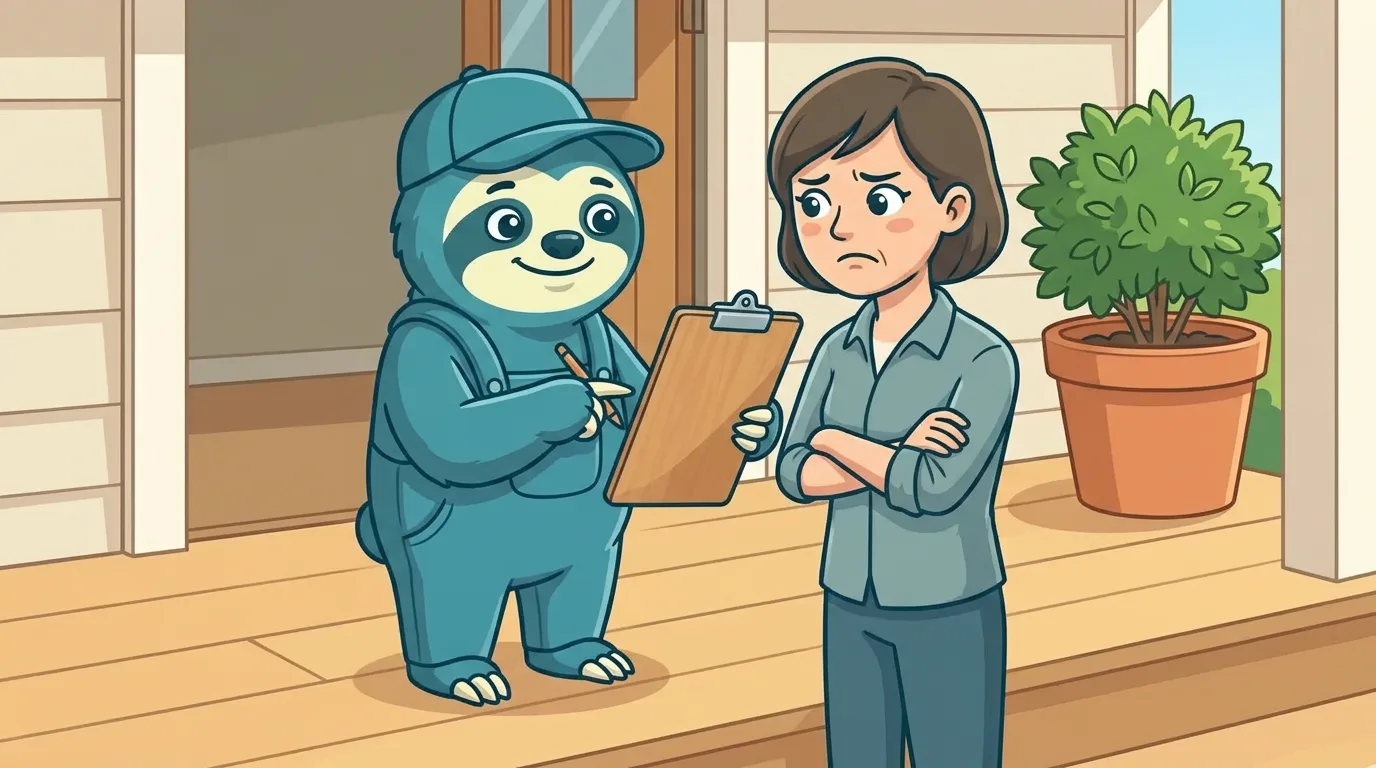
When they push on price at the invoice: "I understand it's more than you hoped. Here's the estimate you signed and here's what changed. If anything on this invoice isn't in either, let's go through it line by line right now."
When they ask for "just one more thing": "Happy to do that. It's outside what we quoted, so I'll add it as a change for $X and it'll take about an hour. Want me to go ahead?"
When they complain about finished work: "Show me what you're seeing. If it's not to the standard we agreed, we'll make it right. If it's something new, I'll quote it separately."
When they are rude to your crew: "I want to get this sorted for you, and I need us to keep this respectful. If now isn't a good time, I'm glad to finish this conversation by phone later today."
When you need to pause the job: "I'm going to stop here for today so we can both cool off. I'll send you a written summary of where we are and the next step by tonight."
Handling Scope Creep Without Losing the Job
Scope creep is the most common difficult-client problem and the most fixable one, because it is almost always a paperwork problem, not a people problem. The client is not trying to rob you. They see you standing there with the right tools and ask. The fix:
- Quote the change on the spot. Say the price and the time out loud, before you start.
- Put it in writing. A short written change order, even a text the client replies "yes" to, turns a favour into a paid job.
- Keep the original scope visible. When the estimate the client signed is on your phone, the conversation about what was included takes one minute instead of twenty.
Free favours feel generous in the moment. At invoice time, they are the reason the client thinks the price "should have been lower", because they never saw what the extras were worth.
When They Won't Pay (or Dispute the Bill)
Keep this conversation short and factual: the signed estimate, the approved changes, the completion, the invoice. If those four line up, most disputes end quickly. Two habits prevent most of them in the first place:
- Collect before you leave the site whenever you can. We covered how to ask without awkwardness in how to ask for payment before leaving the site.
- Know what to do if a card payment gets disputed. A chargeback is winnable when your paperwork is solid. See chargebacks and payment disputes for contractors.
For unpaid invoices that stall for weeks, small claims court is an option in most US states and Canadian provinces, with limits and rules that vary by location. Check your local rules, or talk to a lawyer for anything large. This guide is not legal advice.
Keep Yourself and Your Crew Safe
Most difficult clients are just stressed. A few are not, and no job is worth an injury.
- Never argue alone in a client's home. If a conversation is getting heated, step outside or bring a second person in.
- De-escalate once. Lower your voice, acknowledge the frustration, offer a next step. If it keeps escalating, stop.
- Leave when threatened. Pack up what you safely can, tell the client calmly that you are pausing the job and will follow up in writing, and go. Your crew needs to know they have permission to do this without asking you first.
- Write it down the same day. What happened, what was said, who was there. If it ever turns into a dispute, a same-day note is worth far more than a memory two weeks later.
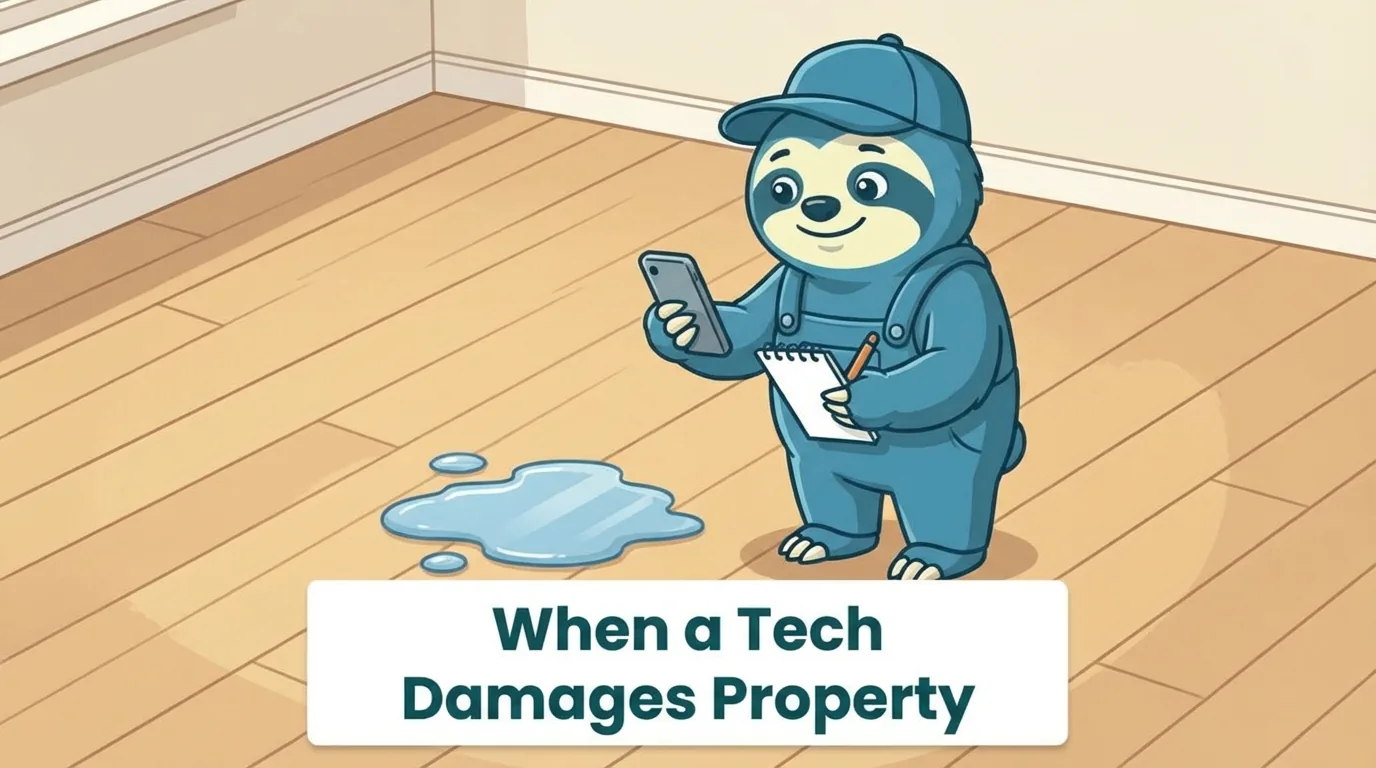
If something does go wrong on your side, like a tech damaging the client's property, handle it by the book. We covered that exact situation in when a tech damages property.
How to Fire a Client (Politely, in Writing)
Sometimes the right answer is to end the relationship. Do it in writing, keep it short, stay neutral, and close out anything you are responsible for.
A short message can be enough: thank them for the opportunity, say that you do not think you are the right fit for their project going forward, confirm what has been completed and what the final invoice covers, and, if it helps them, suggest they get quotes from other local contractors. No blame, no list of grievances, no sarcasm.
Picture a painter in Halifax, a plumber in Phoenix and an electrician in Red Deer all sending that same calm, three-paragraph message. In each case, the message protects them if the client later posts an angry review or disputes the charge, because the only thing in writing is professional. If a review does land, here is how to respond to negative reviews without making it worse. As of February 2026, BrightLocal's Local Consumer Review Survey found 89% of consumers expect business owners to respond to reviews, so a calm reply is part of the exit.
Document Everything
Almost every difficult-client story turns on the same question: what was agreed? The contractor who can answer it in two minutes, with the signed estimate, the approved change, the before-and-after photos and the message thread, usually ends the argument right there.
That means keeping it all in one place, not spread across a notebook, a camera roll and three texting apps. In WorkZen, client management keeps every past job, estimate, invoice, note and message on the client's profile, and job management stores photos, documents and notes for each visit. When the client says "you never told me that", you can show them exactly when you did.
The Bottom Line
Difficult clients are part of the trade. Most of the pain is preventable: spot the red flags at the estimate, put every change in writing, collect before you leave, and document the job as you go. For the rest, stay calm, stay specific, protect your crew, and do not be afraid to walk away from a job that costs more than it pays.
The best prevention starts before the first visit, with a clear, itemized quote. That is where estimates that win jobs come in.
WorkZen is field service management software with a free-forever plan for up to 3 users, with client history, job photos and notes, and written estimates in one place. Start free, upgrade when the math says so.
Frequently Asked Questions
Ready to transform your field service business?
Start using WorkZen today. It's free to get started!